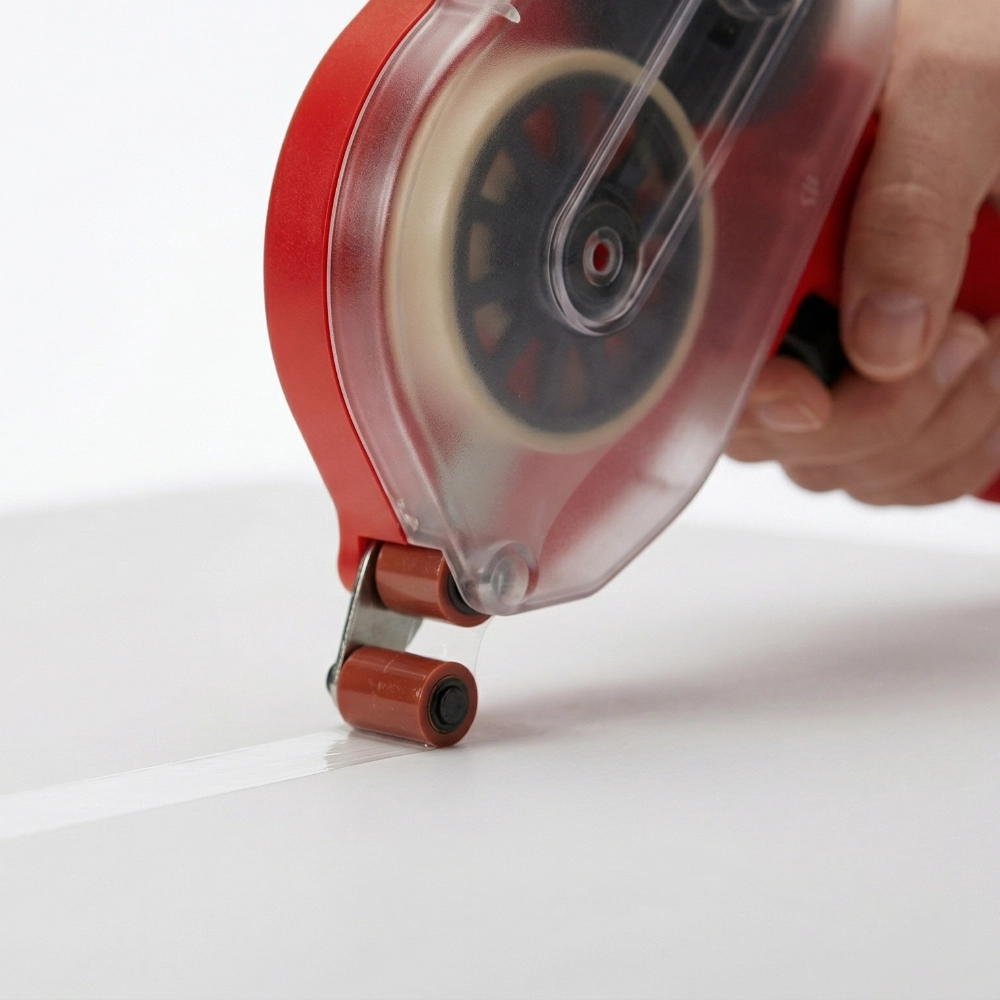
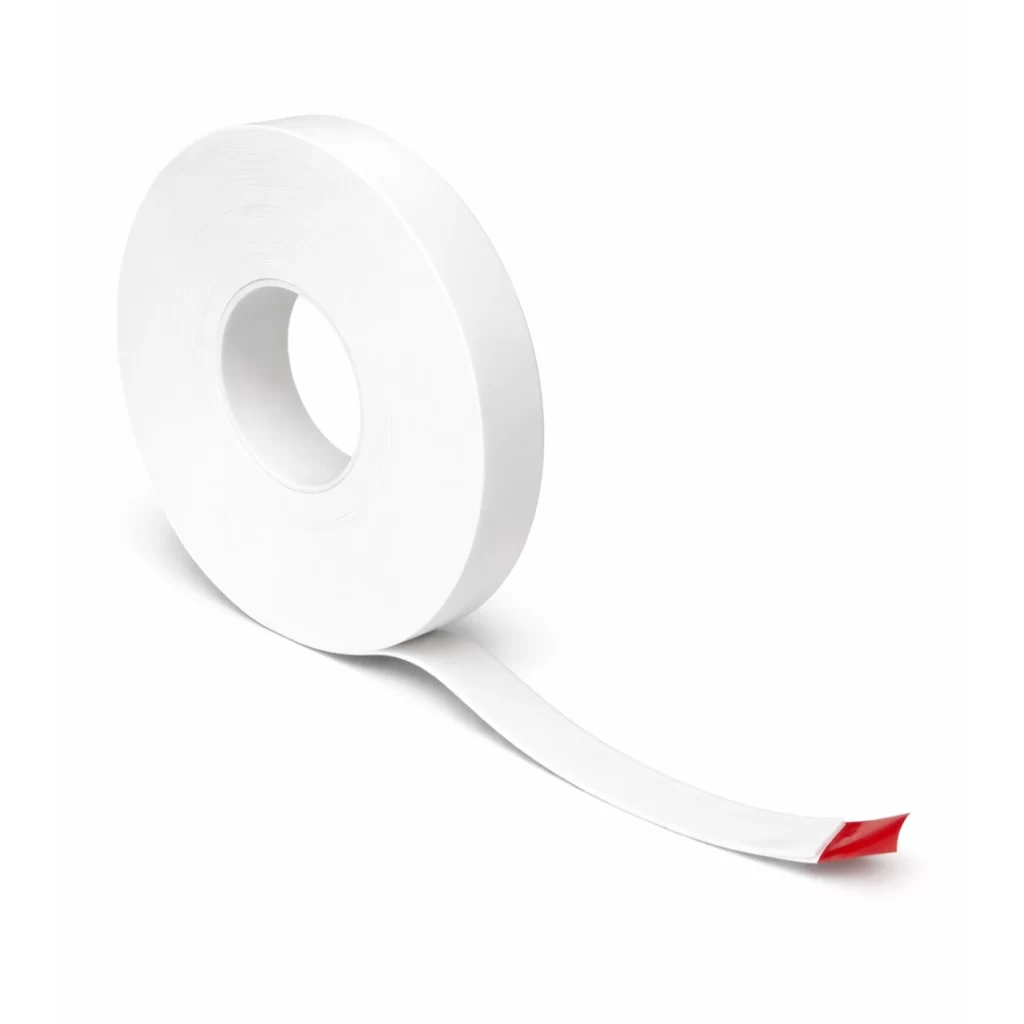
Mounting tape is a double sided adhesive solution designed to bond objects securely to surfaces without the need for screws, nails, or mechanical fasteners. Known for its clean appearance and strong holding power, mounting tape is widely used across retail, packaging, industrial, construction, and display applications.
Because it creates a secure bond while remaining easy to apply, mounting tape has become a practical solution for businesses looking to improve installation efficiency and reduce visible hardware.
From signage and displays to lightweight fixtures and packaging assembly, mounting tape supports a wide range of commercial and industrial applications.
What Is Mounting Tape?
Mounting tape is a pressure sensitive adhesive tape designed to hold objects firmly against a surface using double sided adhesion.
Many mounting tapes are engineered to provide:
- Strong holding strength
- Clean application
- Consistent bonding
- Fast installation
- Reduced need for hardware
Depending on the application, mounting tape may be used on:
- Walls
- Glass
- Plastic
- Metal
- Wood
- Painted surfaces
- Display materials
Different mounting tape products are designed for varying weight capacities, environmental conditions, and surface types.
Common Retail and Display Applications
One of the most common uses for mounting tape is retail display installation.
Businesses often use mounting tape to attach:
- Promotional displays
- Point of purchase signage
- Store graphics
- Lightweight fixtures
- Product information boards
Because mounting tape eliminates the need for visible screws or fasteners, it helps create a cleaner and more professional appearance in retail environments.
It also allows for faster installation and easier temporary display setups during promotions or seasonal merchandising updates.
Mounting Tape for Packaging and Assembly
Mounting tape is also used in packaging and assembly applications where clean bonding and efficient workflow are important.
Common uses include:
- Attaching packaging inserts
- Securing lightweight components
- Product assembly
- Temporary holding applications
- Bonding display materials
In high volume operations, mounting tape can help streamline assembly processes by reducing installation time compared to traditional fastening methods.
Construction and Industrial Applications
Many industrial and construction environments use mounting tape for lightweight bonding applications where mechanical fasteners may not be practical.
Examples include:
- Attaching trim pieces
- Securing lightweight panels
- Installing signage
- Bonding decorative elements
- Temporary installation support
Mounting tape may also help reduce surface damage by eliminating the need for drilling or puncturing materials.
Depending on the application, businesses may select mounting tape products designed for indoor or outdoor conditions.
Advantages of Mounting Tape
Mounting tape offers several practical advantages across commercial and industrial applications.
These may include:
- Cleaner appearance
- Faster installation
- Reduced hardware use
- Minimal surface disruption
- Strong bonding performance
- Simplified assembly workflows
For many businesses, mounting tape provides a more efficient alternative to screws, nails, or liquid adhesives in lighter duty applications.
Choosing the Right Mounting Tape
Different mounting tape products are designed for different environments and surface conditions.
When selecting mounting tape, businesses should evaluate:
- Surface material
- Weight requirements
- Indoor or outdoor use
- Exposure to heat or moisture
- Installation duration
- Application method
Using mounting tape suited to the intended application helps improve bond reliability and long term performance.
Surface Preparation Matters
Like most adhesive products, mounting tape performs best when applied to clean surfaces.
Dust, oil, moisture, or uneven surfaces may interfere with adhesion.
Before application, surfaces are often:
- Cleaned
- Dried
- Cleared of debris
- Evaluated for compatibility
Proper surface preparation helps improve bond consistency and holding strength.
Indoor and Outdoor Considerations
Some mounting tape applications require resistance to changing environmental conditions.
Heat, humidity, moisture, and sunlight exposure may affect adhesive performance depending on the tape product being used.
Businesses installing displays, signage, or bonded materials in outdoor or fluctuating environments should select mounting tape designed for those conditions.
Environmental exposure should always be considered during product selection.
Mounting Tape vs Mechanical Fasteners
Traditional fasteners such as screws or nails remain necessary for many structural applications, but mounting tape offers advantages in situations where:
- Surface appearance matters
- Drilling is not ideal
- Temporary installation is preferred
- Lightweight bonding is sufficient
- Faster installation is needed
In many retail and display environments, mounting tape helps simplify installation while maintaining a cleaner finished appearance.
Final Thoughts
Mounting tape has become an important adhesive solution across retail, packaging, industrial, and construction environments.
Its ability to create clean, secure bonds without mechanical hardware makes it useful for:
- Displays
- Signage
- Packaging assembly
- Lightweight installations
- Product mounting applications
Choosing the right mounting tape depends on surface conditions, environmental exposure, weight requirements, and application goals.
As businesses continue looking for efficient installation and bonding solutions, mounting tape remains a practical option for a wide range of commercial and industrial uses.
Shop Mounting and Specialty Tapes
Explore mounting tape and specialty adhesive solutions for retail, packaging, industrial, and display applications.
Shop Mounting Tape:https://4tapes.com/product-category/mounting-tape/
Shop Foam Tapes:https://4tapes.com/product-category/foam-tapes/
Shop All Our Tapes:https://4tapes.com/our-products/
Request a Custom Quote:https://4tapes.com/contact-us/