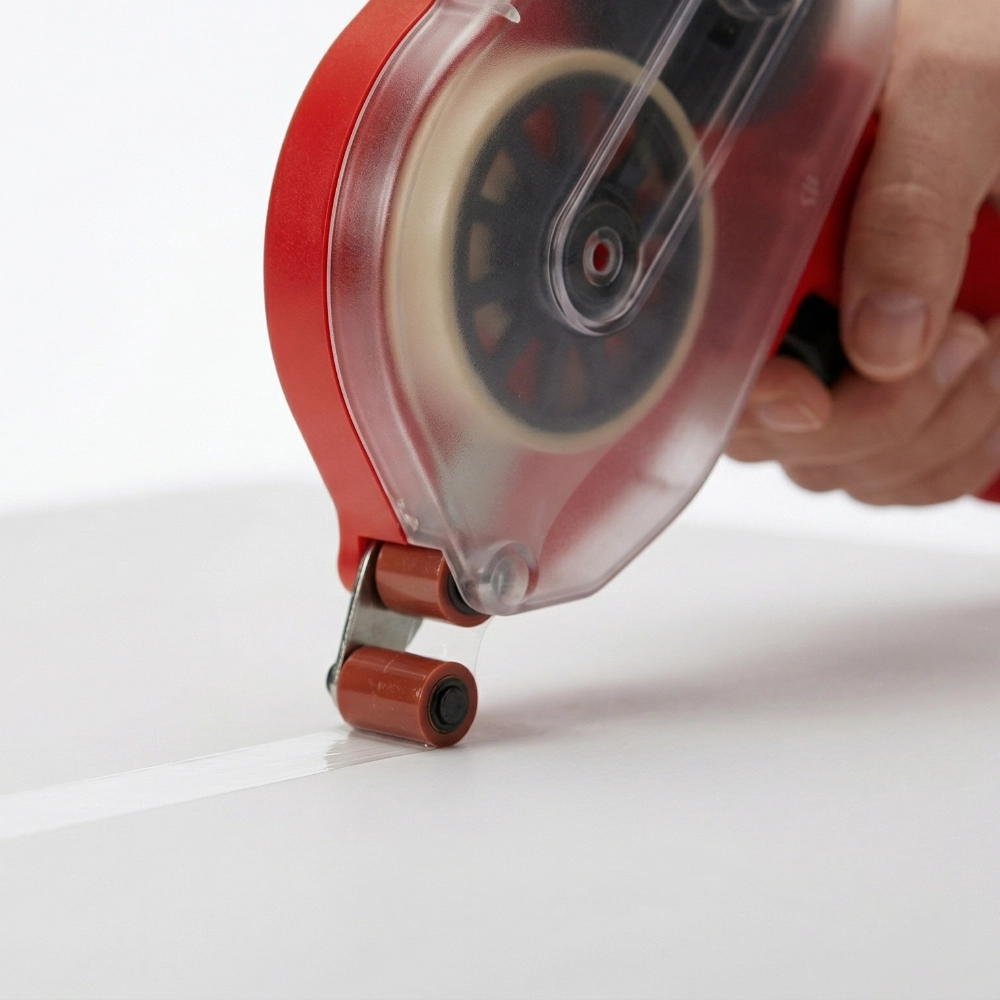
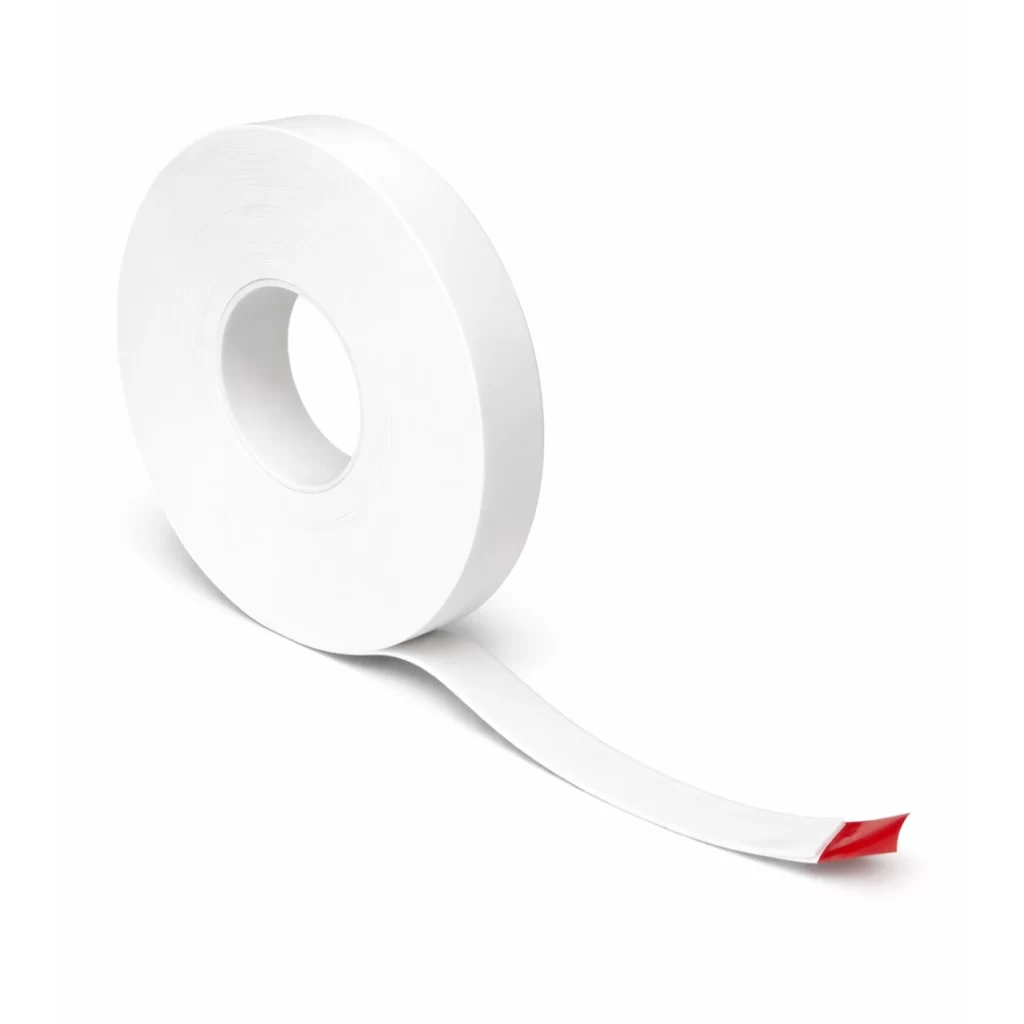
Choosing the right packaging tape is an important part of maintaining secure shipments and efficient packaging operations. Two of the most commonly used options in shipping and warehouse environments are acrylic tape and hot melt tape.
While both are used for carton sealing and packaging applications, they perform differently depending on storage conditions, shipping environments, box weight, and handling requirements.
Understanding the differences between acrylic and hot melt tape can help businesses choose tape products better suited to their packaging process.
What Is Acrylic Tape?
Acrylic tape uses a water based acrylic adhesive designed for long term holding power and consistent performance across a range of temperatures.
This type of packaging tape is commonly used for:
- Carton sealing
- Long term storage
- Ecommerce shipping
- Warehouse packaging
- General shipping operations
Acrylic tape is often chosen for its clarity, aging resistance, and ability to maintain adhesion over time.
Many businesses use acrylic packaging tape for standard shipping environments where cartons may remain stored for extended periods before delivery or inventory use.
What Is Hot Melt Tape?
Hot melt tape uses a synthetic rubber adhesive designed for aggressive initial adhesion and strong bonding performance.
This type of tape is commonly selected for:
- Fast paced packaging environments
- Heavy shipping cartons
- High volume fulfillment operations
- Corrugated box sealing
- Industrial shipping applications
Hot melt tape is known for its quick grip and strong immediate hold, making it useful in environments where cartons move rapidly through packing and shipping processes.
Adhesion Differences
One of the biggest differences between acrylic and hot melt tape is how the adhesive behaves during application.
Hot melt tape typically provides stronger initial tack. This means it bonds quickly to corrugated surfaces and creates an immediate seal after application.
Acrylic tape generally develops adhesion more gradually but maintains stable holding power over longer periods.
Businesses shipping heavier cartons or working in fast moving warehouse environments may prioritize stronger immediate adhesion, while businesses focused on storage stability may prefer acrylic tape.
Temperature Performance
Environmental conditions are another important consideration when comparing packaging tape options.
Acrylic tape generally performs well in varying temperatures and often maintains its adhesive properties in both warmer and cooler conditions.
Hot melt tape performs well in many standard shipping environments but may react differently under extreme temperatures depending on the application.
Warehouses, fulfillment centers, and shipping operations should consider:
- Storage conditions
- Shipping routes
- Seasonal temperature changes
- Indoor versus outdoor handling
- Long term inventory storage
Selecting tape suited to environmental conditions helps improve seal reliability during transit and storage.
Noise and Application Experience
Tape noise can also affect packaging operations, especially in high volume work environments.
Acrylic tape is often quieter during dispensing and application. This can create a more comfortable packing environment in operations where tape is used continuously throughout the day.
Hot melt tape may produce more noise during application depending on the tape material and dispenser setup.
While noise levels may not affect shipping performance directly, some businesses consider this factor when selecting tape for large scale packaging operations.
Packaging Applications
Both acrylic and hot melt tape are widely used in packaging operations, but each may fit certain workflows better depending on operational needs.
Acrylic tape is commonly used for:
- Standard shipping cartons
- Long term storage boxes
- Ecommerce packaging
- Moderate weight shipments
Hot melt tape is commonly used for:
- Heavy cartons
- High speed fulfillment lines
- Industrial packaging
- Fast moving warehouse operations
The right choice often depends on carton weight, shipping speed, storage conditions, and packaging volume.
Choosing the Right Tape for Your Operation
There is no universal packaging tape solution for every business.
When comparing acrylic and hot melt tape, businesses should evaluate:
- Carton size and weight
- Shipping conditions
- Storage duration
- Packaging speed
- Environmental exposure
- Handling requirements
Testing tape products within real packaging workflows can also help determine which option performs more consistently for specific operational needs.
Final Thoughts
Both acrylic tape and hot melt tape serve important roles in packaging and shipping operations. Understanding how each adhesive performs under different conditions can help businesses make more informed packaging decisions.
Strong carton sealing helps reduce shipping issues, improve package integrity, and support more reliable fulfillment operations.
Choosing the right tape involves balancing adhesion performance, environmental conditions, packaging speed, and shipment requirements.
Shop Packaging Tape
Explore packaging tape and carton sealing solutions for shipping, warehouse, and fulfillment applications.
Shop Packaging Tape:https://4tapes.com/product-category/packaging-tapes/
Shop All Our Tapes:https://4tapes.com/our-products/
Request a Custom Quote:https://4tapes.com/contact-us/