Proper carton sealing is one of the most important parts of the shipping process. Even strong corrugated boxes can fail if they are not sealed correctly. Poor sealing methods may lead to opened cartons, damaged products, lost inventory, and increased shipping issues during transit.
For ecommerce businesses, warehouses, manufacturers, and fulfillment operations, consistent box sealing practices help improve package security and support more reliable shipping performance.
Understanding proper sealing methods can help businesses reduce avoidable packaging problems and maintain stronger shipments from origin to delivery.
Why Proper Carton Sealing Matters
Shipping boxes go through constant movement during transportation and handling. Packages may be stacked, compressed, shifted, dropped, or exposed to changing temperatures throughout the shipping process.
Weak carton seals increase the risk of:
- Box openings during transit
- Product damage
- Tampering concerns
- Repackaging delays
- Customer complaints
Reliable packaging tape and proper sealing methods help maintain carton integrity under these conditions.
Choose the Right Packaging Tape
Not all packaging tape performs the same way.
Tape selection should match:
- Carton weight
- Box size
- Shipping conditions
- Storage environment
- Handling requirements
Lightweight shipments may require different tape solutions than heavier industrial cartons or bulk shipping applications.
Businesses should also consider environmental conditions such as temperature and humidity, since adhesive performance can vary depending on shipping and storage conditions.
Using packaging tape designed for shipping applications helps improve seal reliability and reduce carton failures.
Use the H Sealing Method
One of the most common carton sealing methods used in shipping operations is the H pattern.
This method involves:
- Sealing the center seam
- Sealing both edge seams
- Creating an H shaped seal pattern across the top and bottom flaps
The H method helps distribute stress more evenly across carton seams and improves overall package stability during handling and transportation.
Many warehouses and fulfillment operations use this approach because it provides stronger reinforcement compared to sealing only the center seam.
Apply Tape Evenly and Firmly
Packaging tape performs best when applied with consistent pressure across clean corrugated surfaces.
Uneven application may create:
- Air gaps
- Wrinkles
- Loose edges
- Weak adhesion points
Tape should fully contact the carton surface to create a dependable bond.
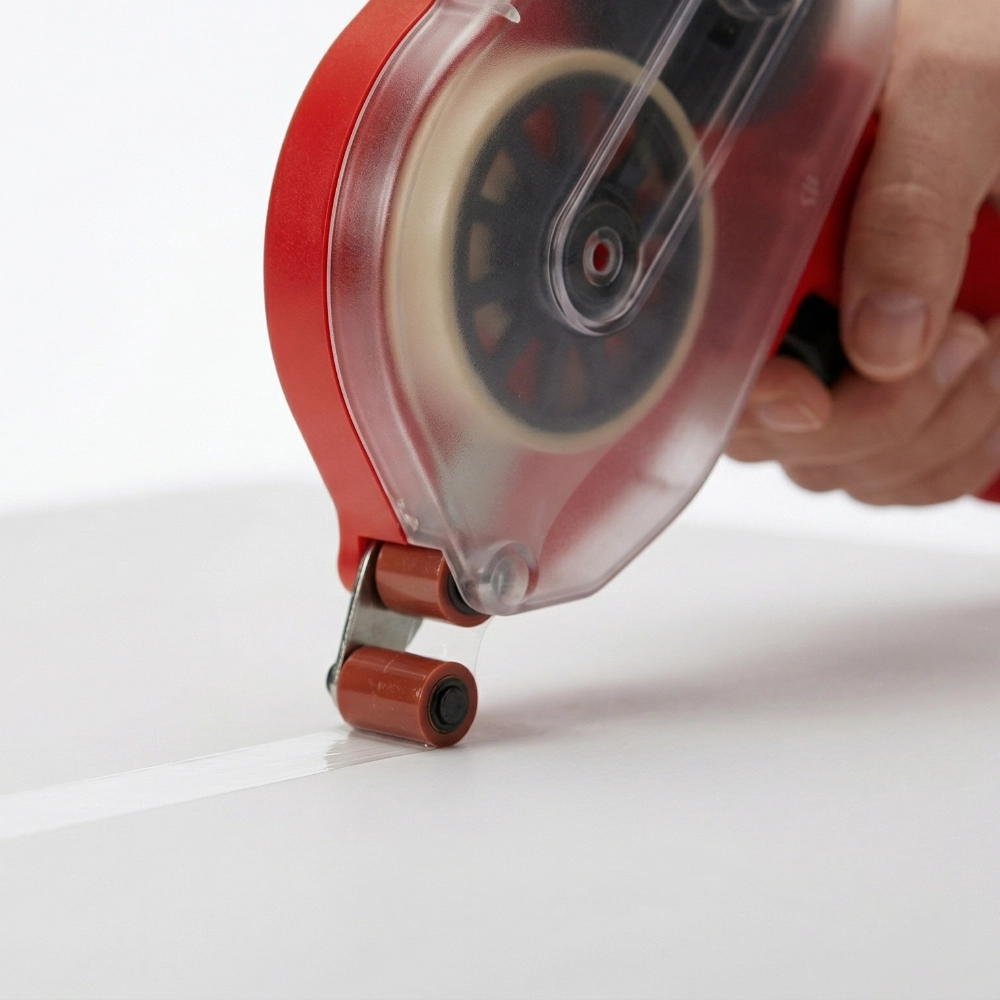
Using tape dispensers can help improve consistency by maintaining:
- Proper tension
- Straight application
- Faster workflow efficiency
- Uniform tape placement
Consistent application often improves both packaging speed and seal reliability.
Avoid Overstuffing Boxes
Overfilled cartons place excessive pressure on seams and flaps, increasing the likelihood of tape failure during transit.
When boxes are difficult to close before sealing, the tape absorbs additional stress throughout shipping and handling.
Properly sized cartons help:
- Reduce seam pressure
- Improve tape adhesion
- Maintain carton shape
- Support stronger seals
Choosing the correct box size for the shipment can significantly improve packaging performance.
Reinforce Heavy Shipments
Heavy shipments may require additional reinforcement beyond standard carton sealing.
Businesses shipping heavier products often use:
- Stronger packaging tape
- Additional sealing strips
- Reinforced tape products
- More durable corrugated cartons
Extra reinforcement helps maintain package stability during stacking, loading, and transportation.
For high stress shipping applications, selecting stronger tape products may improve long term packaging reliability.
Keep Corrugated Surfaces Clean
Dust, moisture, and damaged corrugated surfaces can interfere with tape adhesion.
Tape bonds more effectively when carton surfaces are:
- Dry
- Clean
- Structurally sound
- Free from excessive debris
In warehouse environments, maintaining clean packaging stations can help improve overall tape performance.
Store Packaging Tape Properly
Tape performance may decline if products are stored in poor conditions before use.
Exposure to:
- Extreme heat
- Excessive cold
- Humidity
- Direct sunlight
can affect adhesive consistency over time.
Packaging tape is generally best stored indoors in controlled environments where temperatures remain relatively stable.
Proper storage helps maintain application quality and adhesive performance during daily operations.
Consider Shipping Conditions
Shipping conditions vary depending on:
- Carrier handling
- Distance traveled
- Climate exposure
- Storage duration
- Freight movement
Businesses should evaluate how packages move through their supply chain when selecting sealing methods and packaging tape products.
Long shipping routes and high handling environments may require stronger sealing approaches compared to short distance local shipments.
Final Thoughts
Proper carton sealing helps protect products, maintain shipment integrity, and support more reliable shipping operations.
Strong packaging practices involve more than simply applying tape to a box. Factors such as tape selection, carton condition, application method, and shipping environment all contribute to overall packaging performance.
Businesses that follow consistent sealing practices are often better positioned to reduce shipping issues and improve operational efficiency over time.
Shop Packaging Tape Solutions
Explore packaging tape and carton sealing products designed for shipping, warehousing, and fulfillment operations.
Shop Packaging Tape:https://4tapes.com/product-category/packaging-tapes/
Shop Carton Sealing Tape:https://4tapes.com/product-category/packaging-tape/
Shop All Our Tapes:https://4tapes.com/our-products/
Request a Custom Quote:https://4tapes.com/contact-us/