Packaging tape plays an important role in protecting shipments during storage, handling, and transportation. Even with quality boxes and protective packaging materials, poor tape selection or incorrect application can lead to damaged shipments, opened cartons, and unnecessary operational costs.
Many packaging issues are not caused by the box itself, but by avoidable mistakes made during the sealing process.
Understanding common packaging tape mistakes can help businesses improve shipping reliability and maintain more consistent packaging performance.
Using the Wrong Tape for the Box Weight
One of the most common mistakes is using tape that is not suited for the weight of the shipment.
Light duty tape may work well for smaller cartons, but heavier boxes place more stress on carton seams during stacking, handling, and transportation.
When tape does not provide enough holding strength, cartons may begin separating during transit.
Businesses shipping heavier products should evaluate:
- Box size
- Carton weight
- Shipping distance
- Handling conditions
- Stacking pressure during transit
Choosing packaging tape appropriate for the shipment weight helps improve seal reliability and reduce carton failures.
Applying Too Little Tape
Some businesses attempt to reduce material usage by using minimal tape during carton sealing.
While reducing waste is important, insufficient tape coverage can weaken the package seal and increase the risk of cartons opening during shipping.
Proper sealing methods help distribute pressure across carton seams more effectively.
In many shipping operations, stronger seals are achieved by applying tape consistently along major seams and pressure points rather than using short or uneven strips.
Ignoring Temperature and Storage Conditions
Environmental conditions can affect packaging tape performance more than many businesses realize.
Extreme heat, cold temperatures, humidity, and dust exposure may reduce adhesive effectiveness depending on the tape product being used.
For example:
- Cold temperatures can affect adhesion during winter shipping
- Excessive heat may soften some adhesives during storage
- Dusty warehouse conditions can interfere with bonding surfaces
Businesses should consider shipping routes, warehouse conditions, and storage environments when selecting packaging tape products.
Using Low Quality Corrugated Boxes
Even high quality tape may struggle to maintain a strong seal if the corrugated box surface is damaged, dusty, recycled excessively, or structurally weak.
Packaging tape bonds best when cartons are:
- Clean
- Dry
- Structurally sound
- Properly sized for contents
Poor box quality can reduce adhesive contact and weaken carton seals during handling and transportation.
Improper Tape Application
Packaging tape performs best when applied with firm, even pressure.
Loose application, wrinkles, gaps, or uneven placement can reduce sealing effectiveness.
Tape should fully contact the corrugated surface to create a secure bond across carton seams.
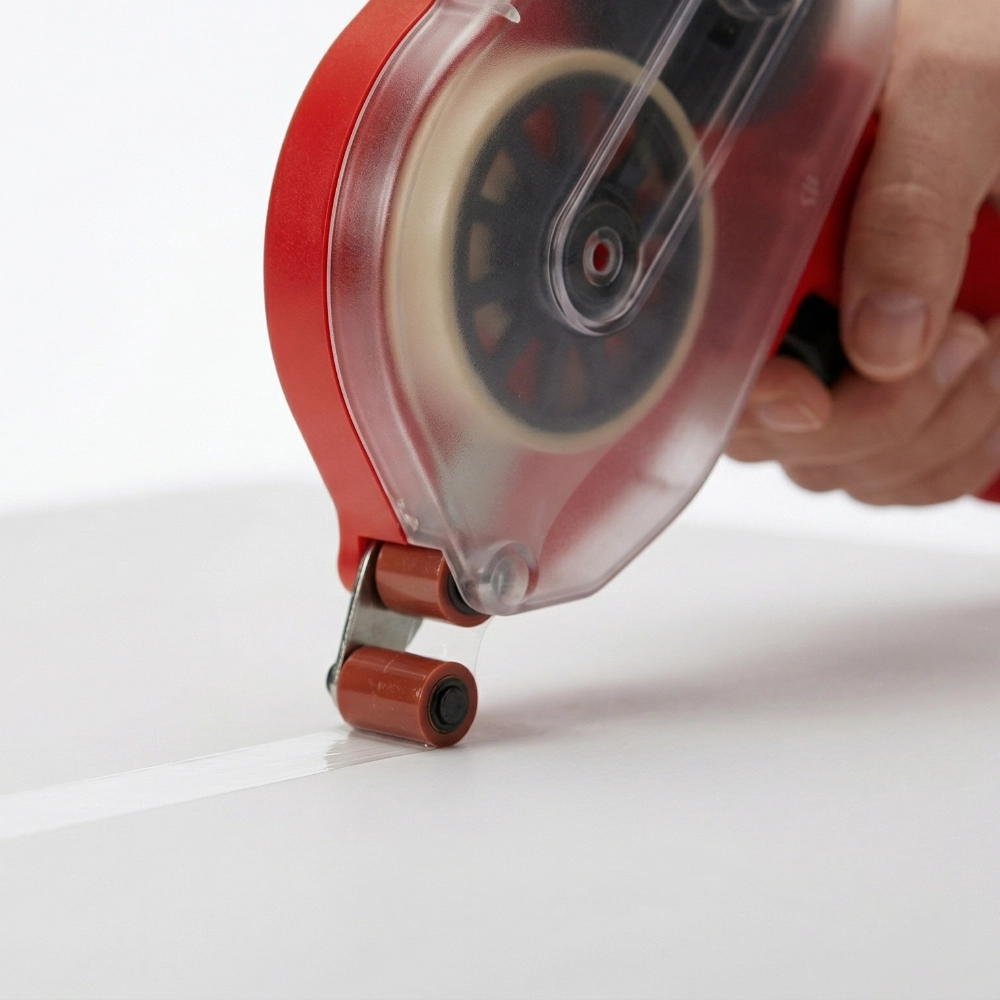
Many businesses improve consistency by using tape dispensers that help maintain:
- Proper tension
- Straight application
- Consistent tape length
- Faster sealing workflows
Application quality can significantly affect overall packaging performance.
Choosing Tape Based Only on Price
Packaging tape is sometimes treated as a low priority supply item, leading businesses to select products based only on cost.
However, lower quality tape may contribute to:
- Carton failures
- Damaged shipments
- Increased returns
- Repackaging costs
- Operational slowdowns
Reliable packaging tape helps support smoother shipping operations and reduce avoidable packaging problems.
Evaluating overall performance rather than only roll cost often leads to better long term operational value.
Storing Tape Incorrectly
Packaging tape should also be stored properly before use.
Exposure to extreme temperatures, moisture, or direct sunlight may affect adhesive performance over time.
For best results, businesses often store tape products:
- Indoors
- In stable temperatures
- Away from excessive humidity
- In clean storage environments
Proper storage helps maintain adhesive consistency and application performance.
Overlooking Specialty Tape Applications
Not all packaging situations require standard carton sealing tape.
Some operations may benefit from specialty tape products depending on packaging needs.
For example:
- Mounting tape may support display assembly
- Foam tape may assist with cushioning or sealing
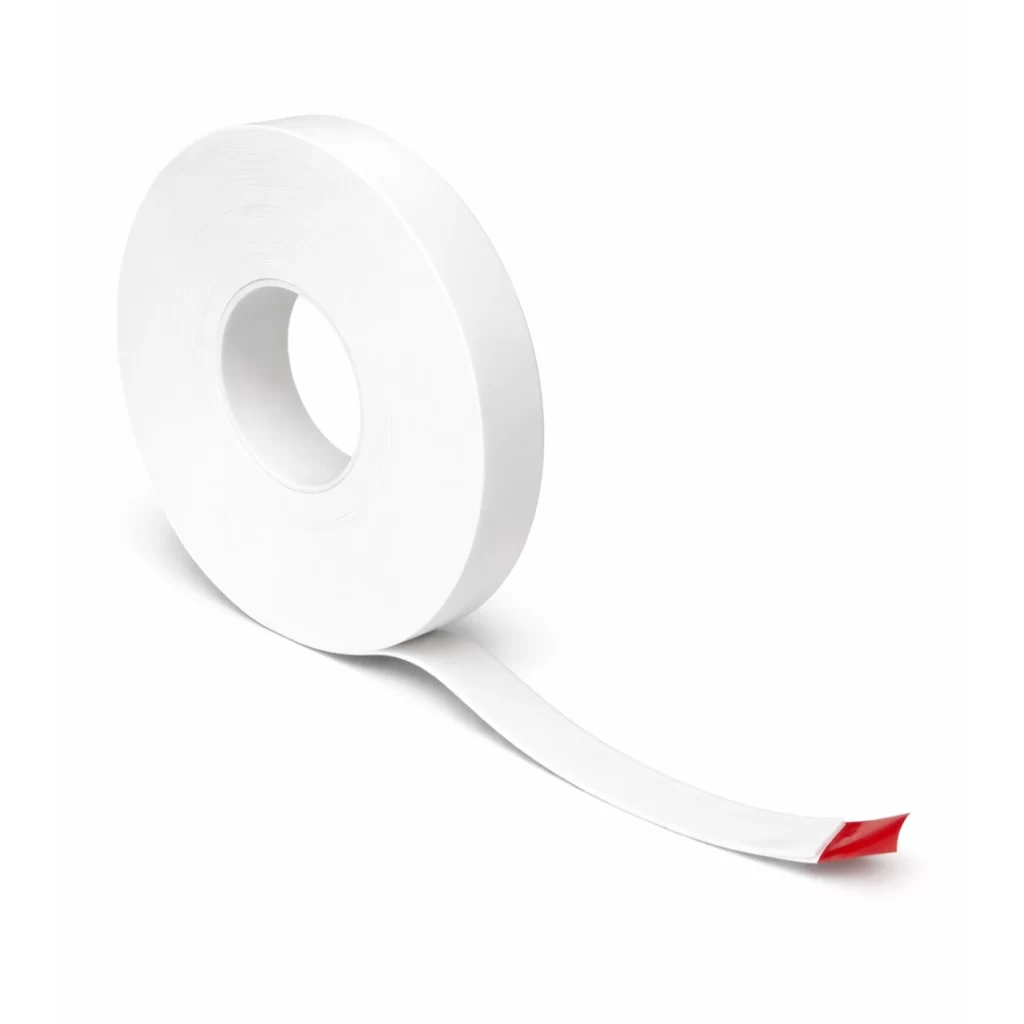
- ATG transfer tape may improve lightweight bonding applications
- Heat shrink tape may provide secure protective sealing in industrial environments
Using the correct tape type for the application helps improve efficiency and packaging reliability.
Final Thoughts
Packaging tape may seem like a small part of the shipping process, but it plays a major role in maintaining carton integrity and protecting products during transit.
Avoiding common tape mistakes can help businesses:
- Improve packaging consistency
- Reduce shipping damage
- Maintain stronger seals
- Support faster packing workflows
- Create a more reliable shipping process
Choosing appropriate tape products, applying them correctly, and considering environmental conditions all contribute to better packaging performance over time.
Shop Packaging and Specialty Tapes
Explore packaging tape, carton sealing tape, mounting tape, foam tape, and specialty adhesive products for shipping and industrial applications.
Shop Packaging Tape:https://4tapes.com/product-category/packaging-tapes/
Shop Mounting Tape:https://4tapes.com/product-category/mounting-tape/
Shop Foam Tapes:https://4tapes.com/product-category/foam-tapes/
Shop All Our Tapes:https://4tapes.com/our-products/
Request a Custom Quote:https://4tapes.com/contact-us/