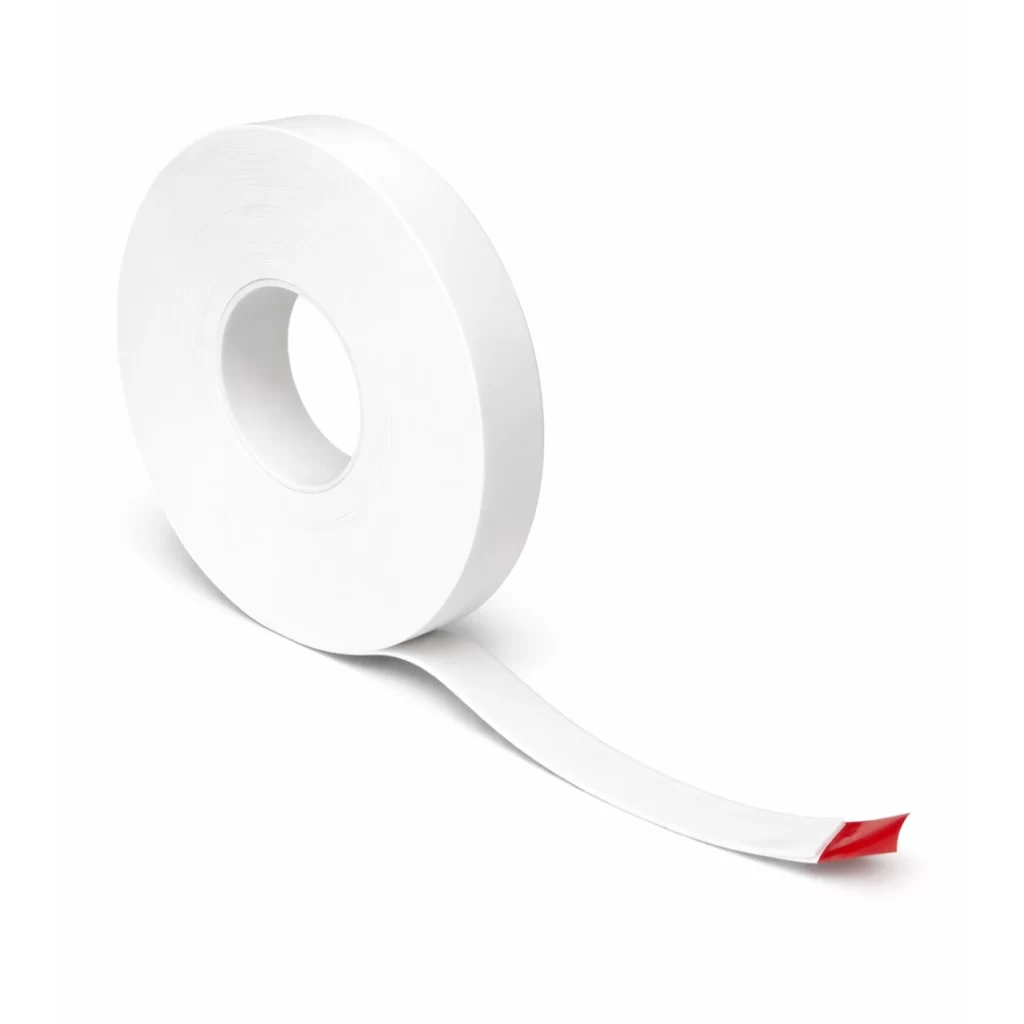
Choosing the right packaging tape is an important part of protecting shipments during storage, handling, and delivery. While packaging tape may seem like a simple supply item, the wrong tape can lead to cartons opening in transit, damaged products, increased returns, and unnecessary packaging costs.
Different shipping environments, box weights, and storage conditions require different types of tape. Understanding those differences helps businesses select tape products that match their packaging process and shipping needs.
For ecommerce operations, warehouses, manufacturers, and fulfillment centers, reliable carton sealing starts with choosing the correct tape for the job.
Shipping boxes experience a wide range of conditions before reaching their destination. Packages may be stacked, compressed, exposed to heat or cold, or moved repeatedly during transit.
Packaging tape helps maintain carton integrity throughout that process. A poor seal can allow cartons to separate or weaken under pressure, increasing the risk of damaged shipments.
Using the right packaging tape can help:
- Improve seal reliability
- Reduce shipping damage
- Support efficient packing workflows
- Minimize carton failures during transit
- Maintain package presentation during delivery
Not all packaging tape performs the same way under different conditions, which is why choosing the right product matters.
Consider the Weight of the Shipment
One of the first factors to consider is box weight.
Lightweight cartons used for smaller ecommerce shipments may not require the same adhesive strength as heavier industrial shipments or bulk packaging applications.
Heavier boxes place more stress on carton seams and require stronger sealing performance to maintain closure during handling and transportation.
For heavier shipments, businesses often choose stronger packaging tape products with higher holding power and better durability under stress.
Evaluate Shipping and Storage Conditions
Environmental conditions also affect tape performance.
Temperature, humidity, storage duration, and handling conditions can all influence how well packaging tape adheres to corrugated surfaces.
Cold temperatures can reduce adhesive performance for some tape products, while excessive heat may soften adhesives during storage or transportation.
Warehouses and shipping operations should consider:
- Indoor versus outdoor storage
- Long term storage conditions
- Regional climate variations
- Shipping carrier handling conditions
- Exposure to dust or moisture
Selecting tape designed for the intended environment helps maintain stronger seals throughout the shipping process.
Understand Different Packaging Tape Options
Packaging tape products are available in different materials, adhesive types, and thickness levels.
Some tapes are designed primarily for standard carton sealing, while others are intended for heavier packaging applications or long term storage.
Factors commonly considered include:
- Adhesive strength
- Tape thickness
- Noise level during application
- Clarity and appearance
- Resistance to temperature changes
- Performance on recycled corrugated boxes
Businesses with high volume packaging operations may also evaluate compatibility with tape dispensers or automated packing systems.
In addition to standard sealing tape, many businesses use printed packaging tape for handling instructions or branding purposes.
Printed tapes such as “Fragile” or “Handle With Care” can help improve package visibility during shipping and handling operations.
Specialty packaging tapes may also be used for:
- Reinforcing heavy cartons
- Identifying shipments
- Organizing warehouse inventory
- Improving packaging presentation
These options can support both operational efficiency and customer experience.
Choosing Tape for Ecommerce Operations
Ecommerce businesses often handle a wide variety of box sizes and shipping weights throughout daily operations.
Consistency is important in fast paced fulfillment environments. Using dependable packaging tape helps maintain workflow efficiency while reducing the risk of packages opening during transit.
Many ecommerce operations prioritize tape products that offer:
- Fast application
- Reliable carton adhesion
- Clean dispensing
- Strong seal performance
- Compatibility with corrugated boxes
Packaging tape also plays a role in overall customer perception. Secure, properly sealed cartons help create a more professional delivery experience.
Matching Tape to Your Packaging Process
There is no single packaging tape solution for every application.
The right choice depends on:
- Carton size
- Shipment weight
- Shipping conditions
- Storage environment
- Packaging speed
- Application method
Businesses that evaluate these factors carefully are better positioned to choose tape products that support efficient shipping operations and reduce packaging issues over time.
Final Thoughts
Packaging tape is one of the most important components in the shipping process. A strong carton seal helps protect products, maintain package integrity, and support smoother fulfillment operations.
Choosing the right tape involves more than selecting a roll off the shelf. Understanding shipping conditions, carton weight, and operational requirements helps businesses select products suited to their specific packaging needs.
As shipping volumes continue to increase across ecommerce and distribution industries, dependable packaging tape remains an essential part of maintaining reliable packaging performance.
Explore packaging tape and carton sealing solutions designed for shipping, storage, and fulfillment operations.
Shop Packaging Tape:https://4tapes.com/product-category/packaging-tapes/
Shop All Our Tapes:https://4tapes.com/our-products/
Request a Custom Quote:https://4tapes.com/contact-us/