Packaging tape is designed to help keep cartons sealed and protected throughout shipping and handling. However, tape failure still occurs regularly in ecommerce, warehouse, manufacturing, and distribution operations.
When packaging tape fails during transit, the result can include damaged products, opened cartons, inventory loss, customer complaints, and additional shipping costs.
In many cases, tape failure is not caused by a single issue. Instead, it usually results from a combination of environmental conditions, improper application, poor tape selection, or packaging stress.
Understanding the most common causes of tape failure can help businesses improve shipping reliability and reduce avoidable packaging problems.
Using the Wrong Tape for the Application
One of the most common causes of tape failure is using packaging tape that does not match the shipping requirements.
Different shipping operations place different levels of stress on cartons depending on:
- Box weight
- Shipping distance
- Handling frequency
- Storage conditions
- Environmental exposure
Light duty tape may not provide enough holding strength for heavy cartons or high stress shipping environments.
Similarly, some adhesive types perform better in certain temperatures and storage conditions than others.
Choosing packaging tape based on the application rather than only cost can help improve long term sealing performance.
Poor Surface Adhesion
Packaging tape relies on direct contact with corrugated surfaces to maintain a strong seal.
If the carton surface is dusty, wet, damaged, or uneven, adhesive performance may be reduced.
Common adhesion issues include:
- Dust buildup on boxes
- Moisture exposure
- Low quality corrugated material
- Recycled cartons with rough surfaces
- Damaged carton edges
Even high quality tape may struggle to bond properly when the box surface condition is poor.
Maintaining clean, dry carton surfaces helps improve tape adhesion during packaging operations.
Extreme Temperature Conditions
Temperature changes during shipping and storage can significantly affect tape performance.
Cold environments may reduce adhesive flexibility and bonding strength, while excessive heat may soften adhesives during storage or transportation.
Packages often move through:
- Hot delivery trucks
- Cold storage facilities
- Outdoor loading docks
- Seasonal climate changes
- Uncontrolled warehouse environments
Businesses shipping products across multiple regions should consider how environmental exposure may affect packaging tape performance during transit.
Selecting tape products suited to expected temperature conditions helps improve carton seal reliability.
Improper Tape Application
Even reliable packaging tape may fail if applied incorrectly.
Common application mistakes include:
- Uneven tape placement
- Wrinkles or air gaps
- Insufficient pressure during application
- Short tape strips
- Incomplete seam coverage
Tape should maintain full contact across carton seams to create a dependable bond.
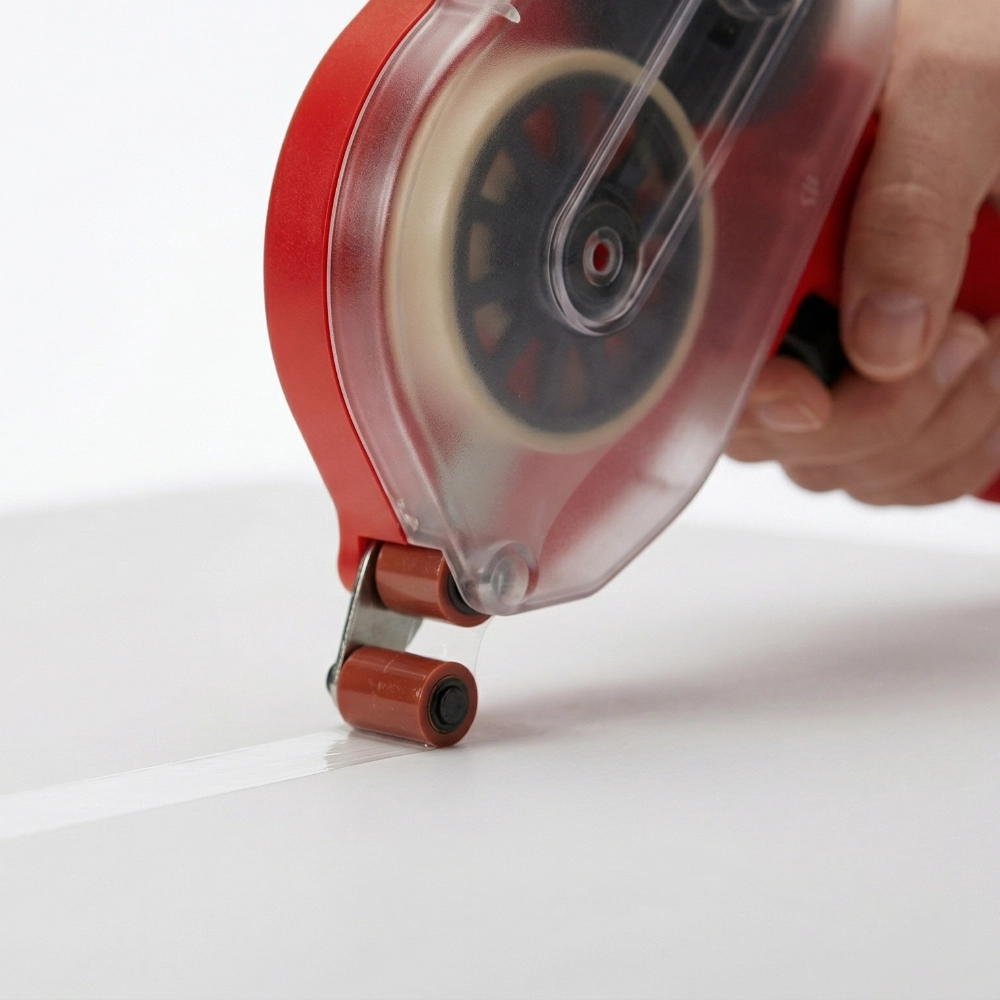
Using proper tape dispensers and consistent sealing methods often improves application quality and packaging consistency.
Excessive Carton Weight
Heavy shipments create significant stress on carton seams during movement, stacking, and transportation.
Overloaded cartons place continuous tension on packaging tape throughout the shipping process.
This stress increases when boxes are:
- Overfilled
- Improperly packed
- Stacked under pressure
- Handled repeatedly during transit
For heavier shipments, businesses may require stronger packaging tape products or additional carton reinforcement to maintain seal integrity.
Poor Carton Construction
Sometimes the problem is not the tape itself, but the corrugated box.
Weak or damaged cartons may flex excessively during shipping, causing tape to lose contact with the surface.
Common box related issues include:
- Low strength corrugated material
- Crushed edges
- Moisture damage
- Oversized cartons
- Excessive internal movement
Packaging tape performs best when used with structurally sound cartons appropriate for the shipment weight and product type.
Humidity and Moisture Exposure
Moisture can interfere with adhesive bonding and weaken carton surfaces during storage and transportation.
High humidity environments may reduce tape effectiveness over time, especially during long term storage or international shipping.
Warehouses and shipping operations exposed to moisture should evaluate:
- Storage conditions
- Environmental controls
- Tape material selection
- Packaging exposure risks
Maintaining dry packaging environments helps improve overall shipping performance.
Inconsistent Packaging Processes
In high volume shipping operations, inconsistent packaging methods can lead to uneven sealing quality.
Differences in:
- Tape application pressure
- Tape length
- Box preparation
- Sealing methods
may create variability in carton performance during shipping.
Standardized packaging procedures often help businesses maintain more reliable sealing consistency across daily operations.
Final Thoughts
Tape failure during shipping is usually preventable when businesses understand the factors affecting packaging performance.
Strong carton sealing depends on:
- Choosing the right packaging tape
- Applying tape correctly
- Using quality corrugated boxes
- Considering shipping environments
- Maintaining consistent packaging practices
Reliable packaging tape helps support safer shipments, stronger carton integrity, and more efficient fulfillment operations.
As shipping demands continue to increase across ecommerce and industrial sectors, proper tape selection and application remain important parts of maintaining dependable packaging systems.
Shop Packaging Tape Solutions
Explore packaging tape and carton sealing products designed for shipping, warehouse, and fulfillment operations.
Shop Packaging Tape:https://4tapes.com/product-category/packaging-tapes/
Shop Carton Sealing Tape:https://4tapes.com/product-category/packaging-tape/
Shop All Our Tapes:https://4tapes.com/our-products/
Request a Custom Quote:https://4tapes.com/contact-us/